











(Posted on 25/09/24)
Ripple effects of strike action at ports on the US East and Gulf coasts will cause severe supply chain disruption into 2025, with analysts warning government intervention may be required to avoid major economic fallout
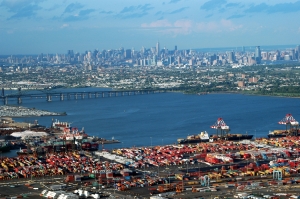
A total of 36 ports are preparing for a complete stoppage if a new deal cannot be agreed with the International Longshoreman’s Association (ILA), which represents 85,000 port workers, before the 30 September deadline.
Peter Sand, Chief Analyst at Xeneta, said: “There are ships on the ocean right now carrying billions of dollars of cargo heading to ports on the US East and Gulf Coast. These ships cannot turn back and they cannot realistically re-route to the US West Coast. Some may divert to ports in Canada or even Mexico East Coast, but the vast majority will simply wait outside affected ports until the workers return.
“The consequences will be severe, not only through congestion at US ports, but importantly these ships will be delayed returning to the Far East for the next voyage. A strike lasting just one week will impact schedules for ships leaving the Far East on voyages to the US in late December and throughout January.”
Ocean supply chains have already been badly disrupted during 2024 due to conflict in the Red Sea, drought in the Panama Canal and Baltimore bridge collapse.
Data from Xeneta – the ocean and air freight intelligence platform – shows average spot freight rates on the trade from the Far East to US East Coast spiked more than 300% between 1 December 2023 and early July this year.
Sand said: “More than 40% of total containerized goods enter the US through ports on the East Coast and Gulf Coast, so the stakes could not be higher.
"To stop trade entering the US on such a large-scale, even for short period of time, is highly-damaging to the economy so government intervention will be needed to bring the matter to a resolution for the good of the nation.
“Last week, 177 trade associations called for an immediate resumption of negotiations because they recognize the extremely serious consequences of strike action on the US economy.
“Government intervention should be seen as a strength in the system, because it will prevent a dispute between a smaller group of interests – whether that is dockworkers or port terminal owners – from significantly impacting the wealth of the entire nation.
“If the parties cannot solve the dispute themselves then someone needs to solve it for them because closing the US East and Gulf coasts to trade for a prolonged period of time would be toxic for supply chains and the economy.”
Xeneta is the leading ocean and air freight rate benchmarking and market analytics platform transforming the shipping and logistics industry.
In the first half of 2026, Port of Antwerp-Bruges handled 133.9 million tonnes of maritime cargo, a... Read more
PD Ports, one of the UK’s major port and logistics businesses, announced today that Paul Foreman... Read more
The Port of San Diego Board of Port Commissioners has approved an Option to Lease Agreement and authorised... Read more
AD Ports Group, an Abu Dhabi based, leading global enabler of integrated trade, industry and logistics... Read more
The Hamburg Port Authority (HPA) and SPG Qingdao Port Group have signed a Port Partnership Agreement... Read more
The Cook Labor Government in Australia has welcomed the award of a dredging contract to Jan De Nul ... Read more
A parliamentary letter in the Netherlands on the selection of a site for the construction of two new... Read more
The long-term safety cooperation between ESL Shipping and the port of SSAB’s Raahe site is visible... Read more
The Port of Liverpool is experiencing a surge in demand from fertiliser importers as continued uncertainty... Read more
PD Ports has further strengthened its bulk handling capability at Teesport with the arrival of... Read more