










(Posted on 22/05/26)
Ship to ship (STS) transfers are an established part of dry bulk operations, and they are growing. As new trading areas and cargo flows emerge, STS operations are expanding into regions where port infrastructure or draft limitations make direct berth access impossible. However, the sector has been doing this without a dedicated standard.
In tanker shipping, STS activity is underpinned by established industry guidance. Dry bulk has had no equivalent framework, despite the added complexity arising from different cargoes, equipment and operating conditions
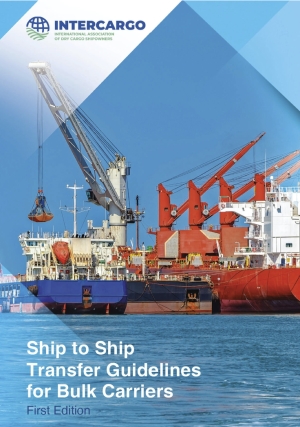
INTERCARGO has now published the “Ship to Ship Transfer Guidelines for Bulk Carriers”, setting out the first dedicated standard for these activities in the dry bulk sector.
STS transfers allow cargo operations in locations where ports cannot accommodate the vessel size, required draft or cargo volumes, particularly in regions where infrastructure is limited. However, such operations also introduce additional challenges, including increased operational interfaces, greater personnel involvement and less margin for error when operating conditions change.
The new guidelines are built around the practical realities of conducting STS operations at sea. They address planning, risk assessment, manoeuvring, fendering, cargo handling and emergency response procedures, with practical checklists and operational responsibilities. Together, they bring a consistent framework to operations that until now have had none.
John Xylas, Chair of INTERCARGO said: “Ship to ship transfers in dry bulk are already happening across the industry, and they are increasing. However, a published standard for dry bulk shipping wasn’t available for consistent application and safe operations.
“As STS becomes more widely used, we expect to see greater alignment across operators, charterers, insurers and regulators, so that a more consistent approach becomes the norm for dry bulk operations.”
The guidelines were presented last week at INTERCARGO's Executive and Technical Committees, semi-annual meetings in Singapore, where shipowners, operators and technical specialists from the sector convened to progress the Association's agenda on safety, security, environmental stewardship, sustainability, decarbonisation, operational standards including DryBMS, vetting issues, regional port state control requirements, and the human element in dry bulk shipping.
The STS publication was developed through the collective operational experience and technical input of shipowners, operators, marine and technical specialists throughout the sector, reflecting both operational experience and the realities crews face on the water.
The intention is straightforward: to introduce more clarity, consistency and standardisation to how STS transfers are carried out in dry bulk shipping and reduce the operational inconsistency that exists today. As STS activity continues across both traditional and emerging trades, the next step will be wider alignment across the maritime industry. Adoption by operators, charterers, insurers and regulators will shape how quickly these practices are applied in reality, and how quickly a more consistent approach becomes established across dry bulk STS operations worldwide.
The Maritime Association for Clean Seas (MACS) has published a series of practical guides to enable... Read more
Shanghai has officially become the world’s second-most prominent shipping hub, according to the... Read more
OceanScore, the maritime data and sustainability company helping shipping and ports turn regulatory... Read more
Bulk carrier safety continues to show steady long-term improvement, but the nature of risk facing seafarers... Read more
Following stronger than expected operational performance in dry cargo, reduced costs associated with... Read more
Algoma Central Corporation, a leading provider of marine transportation services, has announced that... Read more
Major maritime, ports and energy companies have been identified by Cydome’s threat-intelligence... Read more
As the global shipping industry faces mounting concerns over future crew availability, Danica Crewing... Read more
Following an attack on a vessel in the Gulf of Oman, IMO has decided to temporarily pause its evacuation... Read more
Leading health and wellness platform OneCare Group is calling on shipping leaders to recognise the immense... Read more