






(Posted on 16/07/26)
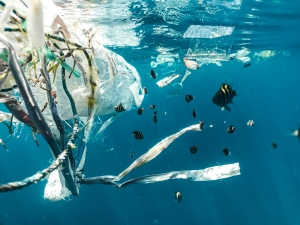
The Maritime Association for Clean Seas (MACS) has published a series of practical guides to enable the commercial shipping sector to implement sustainable plastic procurement in vessel operations.
The guides are designed to support shipping companies, suppliers and other industry players with a more consistent, practical and evidence-led approach to plastic usage through sustainable procurement in line with IMO goals to curb marine plastic pollution.
“Reducing the plastic footprint of shipping is critical but there are significant barriers to overcome. These guides provide the industry with a clear framework for collaborative action to make real progress in this direction,” said Oliver Kade, Director of MACS, an industry initiative led by Singapore-based ocean impact organisation Seven Clean Seas.
The publications are the outcome of MACS’ Sustainable Plastic Procurement Working Group, which brought together maritime stakeholders to explore how shipping companies can reduce unnecessary plastic use, improve procurement decisions, and send clearer signals to suppliers across the maritime value chain.
This is the first in a series of MACS working groups geared to minimising plastics use across the maritime value chain by promoting best practices and collaboration in the areas of procurement and waste management to comply with the IMO Action Plan on marine litter, which requires measures to reduce plastic pollution from ships to be implemented by 2030.
While the IMO Action Plan on marine litter has created an important policy direction for reducing plastic pollution from ships, much of the focus to date has been on how plastics are managed once they have already entered vessel operations or become waste.
MACS’ Sustainable Plastic Procurement Working Group focused on an earlier intervention point: how to prevent unnecessary plastic from entering the maritime value chain in the first place.
“The most sustainable plastic is the plastic that is never used,” according to Kade.
But reducing plastic use in shipping is not always simple. The group found three common barriers:
The new MACS guides are designed to help close these gaps by giving the industry clearer language, practical tools, and a more coordinated approach to reducing unnecessary plastic use.
The guides were informed by a series of working group meetings and a recent roundtable discussion that brought together 53 participants from 28 organisations across the global maritime value chain and included participation from MACS members and partners such as Berge Bulk, Pacific International Lines, X-Press Feeders, Bernhard Schulte Shipmanagement, DP World, PT Scorpa Pranedya, Britoil and Howden.
The Maritime Association for Clean Seas (MACS) is a global industry alliance uniting shipping companies, ports, and maritime stakeholders to tackle ocean plastic and operational waste at scale.
Shanghai has officially become the world’s second-most prominent shipping hub, according to the... Read more
OceanScore, the maritime data and sustainability company helping shipping and ports turn regulatory... Read more
Bulk carrier safety continues to show steady long-term improvement, but the nature of risk facing seafarers... Read more
Following stronger than expected operational performance in dry cargo, reduced costs associated with... Read more
Algoma Central Corporation, a leading provider of marine transportation services, has announced that... Read more
Major maritime, ports and energy companies have been identified by Cydome’s threat-intelligence... Read more
As the global shipping industry faces mounting concerns over future crew availability, Danica Crewing... Read more
Following an attack on a vessel in the Gulf of Oman, IMO has decided to temporarily pause its evacuation... Read more
Leading health and wellness platform OneCare Group is calling on shipping leaders to recognise the immense... Read more
NorthStandard will partner maritime welfare charity Sailors’ Society to support seafarers&rsquo... Read more