








(Posted on 29/04/26)
Leading maritime cyber solutions expert Cydome is advising shipmanagers with assets transiting high-risk waters that disabling a vessel’s Automatic Identification System (AIS) is creating a false sense of security, as the vessel’s location and position can remain electronically visible.
In a Cydome research paper published this week, the company says turning off AIS can actually increase the risk of attack.
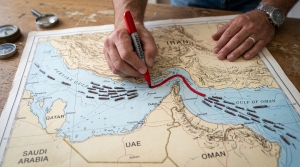
The advisory follows a surge in reported AIS blackouts across the Persian Gulf, including the Strait of Hormuz, amid growing concern around so-called “zombie ships” that appear to vanish from tracking systems.
The reality is that these ships and their locations remain exposed in many cases and potentially vulnerable through other connected gateways.
This research addresses a widening gap between traditional maritime security tactics and modern digital realities.
Cydome’s cyber research team says that relying on AIS deactivation without hardening satellite gateways, especially in high-tension corridors like the Strait of Hormuz, could leave a vessel “blindly exposed”.
“The crew believes they are hidden, while threat actors can still track and target the ship via its VSAT signature. Failing to bridge this gap doesn't just risk a data breach; it could risk the physical safety of the crew, the integrity of the cargo, and much more.”
The Cydome security briefing points to AIS gaps lasting days as operators turn off transponders to protect their vessels and crews, but “deactivation does not cloak a vessel’s position”.
Nir Ayalon, Cydome CEO and co-founder, said the technical challenge for today's fleet is that a vessel is never truly “off the grid”.
“While deactivating tracking is a recognised safety measure in high-risk zones, it does not silence the ship’s broader digital footprint, which could also disclose its location. Risk reduction must be approached through the lens of digital hygiene, minimising the discoverability of these background systems to ensure the vessel’s digital shadow does not provide a roadmap for adversaries.
“Many ship operators are not aware that the location remains publicly visible through the VSAT satellite communications devices which, unlike AIS, maintain continuous, internet-connected links between ship and shore.”
Leading health and wellness platform OneCare Group is calling on shipping leaders to recognise the immense... Read more
NorthStandard will partner maritime welfare charity Sailors’ Society to support seafarers&rsquo... Read more
The International Marine Contractors Association (IMCA) has reminded vessel owners and operators of... Read more
AI is promising enormous benefits for the maritime industry. However, as shipping embraces digitalisation... Read more
DNV has published a recommended practice (RP) providing a standardised framework for measuring and verifying... Read more
ClassNK has announced that it has earned authorisation from the French Government (Directorate general... Read more
ESL Shipping is to integrate its subsidiary AtoB@C Shipping into a unified ESL Shipping brand.... Read more
Shipowners with older or harder-to-place vessels may have a stronger opportunity to test the recycling... Read more
Wallem Group, a leading global maritime partner, has released details of an incident in May when a ship... Read more
AtoB@C Shipping, a subsidiary of ESL Shipping, has taken delivery of Megamar, the eleventh vessel in... Read more