









(Posted on 22/05/26)
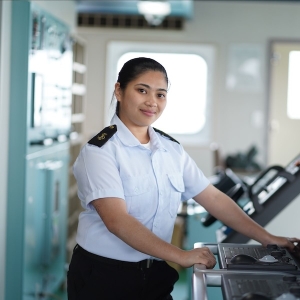
Columbia Group has strengthened its commitment to developing the next generation of maritime professionals with an enhanced Cadet Training Programme, as the industry faces mounting concerns over crew shortages, retention challenges and evolving IMO training requirements.
Through Maritime HR, Columbia Group’s HR and Learning & Development division, the company has introduced a more robust governance structure for its cadet operations, designed to provide greater oversight, welfare support and career progression for cadets from recruitment through to officer level.
At the centre of the enhanced programme is a dedicated Cadet Management Team, led by a Cadet Manager and supported by specialist coordinators. The structure ensures end-to-end management of cadet recruitment, pre-joining training, planning, performance monitoring, welfare support, coordination with vessels and training institutions, and recognition of cadet achievements and progression.
The strengthened programme reflects Columbia’s s long-term strategy to build a sustainable talent pipeline while maintaining the highest operational and safety standards across its managed fleet. Working closely with maritime academies, vessel owners and onboard management teams, the programme is designed to equip cadets with the practical skills, confidence and experience required to progress seamlessly into Third Officer and Fourth Engineer positions.
Simona Toma, Chief of Maritime HR at Columbia Group, said: “Developing and retaining skilled seafarers is one of the most important challenges facing our industry today. At Columbia, we see cadet training as a long-term investment in the future of shipping. Our enhanced Cadet Programme is designed not only to provide technical knowledge and sea-going experience, but also to build confidence, leadership and resilience in the next generation of maritime professionals.
Columbia emphasised that successful cadet development depends on strong collaboration across the maritime sector, with vessel owners, charterers, training institutions and onboard teams all playing a critical role in ensuring cadets receive meaningful experience at sea.
“We are serious about growing our own talent pool, but effective cadet development requires collaboration across the industry,” Ms Toma added.
The Maritime Association for Clean Seas (MACS) has published a series of practical guides to enable... Read more
Shanghai has officially become the world’s second-most prominent shipping hub, according to the... Read more
OceanScore, the maritime data and sustainability company helping shipping and ports turn regulatory... Read more
Bulk carrier safety continues to show steady long-term improvement, but the nature of risk facing seafarers... Read more
Following stronger than expected operational performance in dry cargo, reduced costs associated with... Read more
Algoma Central Corporation, a leading provider of marine transportation services, has announced that... Read more
Major maritime, ports and energy companies have been identified by Cydome’s threat-intelligence... Read more
As the global shipping industry faces mounting concerns over future crew availability, Danica Crewing... Read more
Following an attack on a vessel in the Gulf of Oman, IMO has decided to temporarily pause its evacuation... Read more
Leading health and wellness platform OneCare Group is calling on shipping leaders to recognise the immense... Read more